
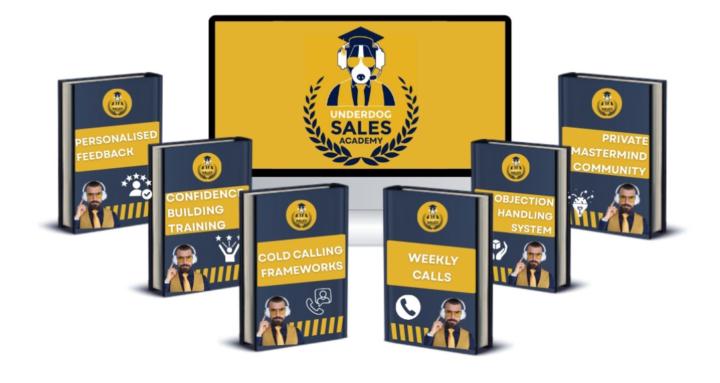
Cold Calling for Underdogs – Giulio Segantini
Introduction
In today’s world of DMs, emails, and automation tools, cold calling might sound like an outdated skill. But when done right, it’s still one of the most powerful methods to build authentic connections, close deals, and grow businesses from scratch. Cold Calling for Underdogs – Giulio Segantini takes this classic sales strategy and turns it into a modern art form, specifically for those who start with nothing — no reputation, no big company name, no fancy marketing budget — just grit and a phone.
This guide breaks down the psychology, structure, and real-world execution behind effective cold calling, inspired by the underdog mindset Giulio Segantini emphasizes.
The Underdog Advantage
Most people think that being an underdog means being at a disadvantage. Giulio flips that belief completely. Underdogs don’t have corporate restrictions, long approval chains, or rigid scripts. They can be bold, flexible, and personal.
This agility allows you to:
Build genuine conversations instead of robotic pitches.
Adapt your tone based on each call’s vibe.
Turn rejection into learning instead of fear.
Cold calling is no longer about “selling.” It’s about “connecting.” When an underdog picks up the phone, they’re not just dialing for dollars — they’re creating real relationships.
Why Cold Calling Still Works in 2025
Despite the rise of automation, cold calling remains a timeless sales weapon for three key reasons:
Human Interaction:
Voice adds emotion. You can sense interest, hesitation, or curiosity — and pivot instantly.Instant Feedback:
Unlike email campaigns, calls give immediate reactions. You know what’s working and what’s not.Low Barrier, High Impact:
You don’t need a website, ads, or big money. Just a phone, a plan, and persistence.
In Cold Calling for Underdogs, Giulio teaches that technology should assist, not replace, human connection. The goal isn’t mass contact — it’s meaningful contact.
The Psychology of a Cold Call
Every cold call starts before you dial. It begins in your mindset.
Detachment from Outcome:
Don’t tie your worth to the result of one call. The goal is progress, not perfection.Curiosity Over Persuasion:
Instead of convincing someone, aim to understand them. Ask questions that show you care about their pain points.Confidence Without Ego:
Speak with calm authority. You’re offering value, not begging for attention.
When you combine these three traits, rejection loses its sting — it becomes information.
Preparation: Research Is the Real Power
Giulio emphasizes preparation as the foundation of every successful call.
Before calling anyone, know three things:
Who they are: Their company, role, and current situation.
What they care about: Identify problems they likely face.
How you can help: Your solution should fit their world, not the other way around.
Example:
If you’re selling marketing software, don’t start with “We have a great tool.”
Instead, begin with, “I noticed your brand’s engagement dropped recently — may I share something that’s helped similar teams bounce back?”
This shift transforms you from a seller into a problem-solver.
The Opening Line: Breaking the Ice
The first 10 seconds decide whether the person stays or hangs up.
Instead of sounding like every other caller, try these human-first openers:
“Hey, this might be out of the blue, but I noticed something interesting about your company…”
“Hi, I’m calling because I think I can help you avoid a mistake I made last year.”
“Can I steal 30 seconds to see if this is even relevant to you?”
Notice how none of these sound robotic or pushy. They create curiosity — the most powerful emotion in sales.
Structure of a Winning Cold Call
A great call has a natural rhythm. Giulio Segantini breaks it into four stages:
The Hook:
Use your opener to grab attention. Be human, not scripted.The Discovery:
Ask meaningful questions. Listen more than you talk. Examples:“What’s your biggest frustration with X right now?”
“If you could fix one thing instantly, what would it be?”
The Value Drop:
Tie your offer directly to what they said. Make it about them, not you.
“You mentioned saving time — our clients cut admin tasks by 40% using this.”The Close:
Don’t pressure — invite.
“Would it make sense to explore this in more detail next week?”
It feels like a conversation, not a transaction.
Tone and Energy: How You Say It Matters More
Cold calling isn’t acting — but it is performance.
Your voice is your body language over the phone.
Tips to instantly improve tone:
Stand while calling — it opens your breathing and adds energy.
Smile while speaking — it literally changes how you sound.
Match their pace — mirror energy, but don’t imitate.
People subconsciously trust voices that feel natural, calm, and confident.
Handling Rejection Like a Pro
Every “no” gets you closer to a “yes.”
Giulio suggests tracking rejections — not as failures, but as progress markers.
When someone says:
“I’m not interested,” ask: “Totally fair — is that because of timing or relevance?”
“We already have something,” respond: “Nice! How’s that working for you so far?”
The secret is emotional control.
You’re not trying to win an argument. You’re planting a seed for the future.
Tools That Make Cold Calling Easier
While cold calling is human-first, certain tools simplify the process:
CRM Systems (HubSpot, Pipedrive): To track leads and notes.
Auto Dialers: To manage call lists efficiently.
Call Recording: For reviewing tone, pacing, and learning points.
LinkedIn Research: To personalize each outreach.
Giulio’s approach focuses on quality over quantity — use these tools to enhance personalization, not replace it.
Building Resilience and Consistency
Cold calling success doesn’t come from talent — it comes from consistency.
Giulio recommends setting a “micro-target” each day:
20 calls.
5 real conversations.
1 meeting booked.
Celebrate progress, not perfection. Over time, the small wins compound into momentum.
Remember: the goal isn’t to close everyone. It’s to build enough meaningful conversations that opportunities appear naturally.
Real-World Example: The Freelancer Hustle
Imagine a freelancer with zero network trying to find clients. Instead of sending endless DMs, they start calling 10 potential clients daily.
At first, 9 out of 10 reject them. But one conversation leads to a small gig. That gig turns into referrals. Within months, the freelancer builds a full-time income — all from consistent cold calling.
That’s the underdog spirit — no fancy ads, no big connections, just action and communication.
Mindset Shift: From Fear to Flow
The fear of cold calling is universal. The best callers aren’t fearless — they’re practiced.
Giulio’s framework focuses on mindset rituals:
Short breathing exercises before each session.
Writing gratitude notes after successful calls.
Reviewing wins weekly, not just results.
When you approach calls with gratitude instead of anxiety, the energy you project changes completely.
From Caller to Connector
The final transformation happens when you stop chasing leads and start building relationships.
Cold calling becomes less about the script — and more about service.
You’re no longer an “annoying salesperson.” You’re a trusted guide offering solutions.
And that shift — from pressure to partnership — is what separates the average caller from the underdog who wins.
Conclusion
Cold Calling for Underdogs – Giulio Segantini isn’t just a strategy guide — it’s a mindset manifesto for anyone starting from scratch.
It teaches that success doesn’t come from tools, scripts, or luck. It comes from courage, empathy, and persistence.




Reviews
There are no reviews yet.