
Introduction
In professional trading, understanding how price and volume interact is one of the most powerful skills a trader can develop. While many traders rely on complex indicators, institutional traders often focus on a simple truth: price tells you what is happening, and volume tells you why it is happening.
One of the most respected traders who emphasizes this concept is Linda Raschke, a veteran futures and stock trader with decades of real-market experience. Her approach focuses on structure, momentum, and the relationship between participation (volume) and movement (price).
This guide breaks down the professional framework behind Linda Raschke – Volume and Price Relationship, helping you understand how to apply it in modern markets including stocks, futures, forex, and crypto.
Who Is Linda Raschke?
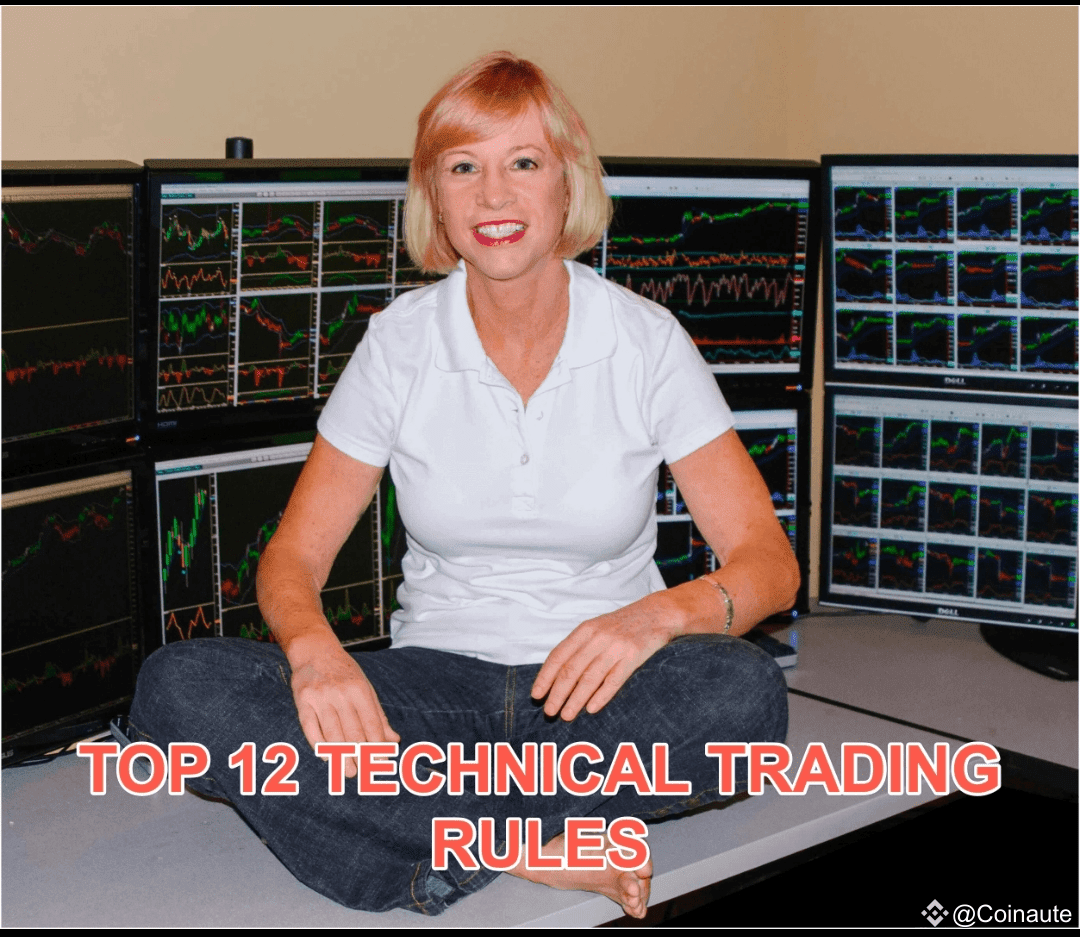
Linda Raschke is a highly respected professional trader known for:
Over 40+ years of trading experience
Background in futures, commodities, and equities
Founder of LBRGroup
Developer of numerous short-term trading strategies
Focus on technical analysis and behavioral market patterns
She is known for her disciplined approach and emphasis on price structure, momentum bursts, and volume confirmation.
Understanding Volume and Price Relationship
Before diving into advanced strategies, let’s break down the fundamentals.
1. Price = Result
Price is the final outcome of buying and selling pressure.
2. Volume = Commitment
Volume measures how much participation exists behind that movement.
When price moves strongly with high volume, it signals conviction.
When price moves on low volume, it signals weakness or lack of institutional support.
This interaction forms the foundation of Linda Raschke – Volume and Price Relationship.
Why Volume Matters More Than Most Traders Think
Many retail traders ignore volume or use it incorrectly. Professionals view volume as:
Confirmation of breakouts
Warning sign of exhaustion
Indicator of accumulation or distribution
Measure of institutional activity
Without volume analysis, price patterns can be misleading.
Core Concepts Behind the Strategy
1. Expansion and Contraction
Markets move in cycles:
Low volatility + low volume → consolidation
High volatility + rising volume → expansion
When you see price compressing with declining volume, it often precedes a breakout.
Practical Insight:
If a stock trades sideways for several days and volume dries up, the next expansion move is likely to be powerful.
2. Breakout Confirmation
A breakout without volume is suspicious.
Strong Breakout Characteristics:
Price closes above resistance
Volume spikes significantly above average
Follow-through in next session
If volume does not increase, the breakout may fail.
3. Climax Volume (Exhaustion Move)
Climax volume occurs when:
Price makes a sharp move
Volume reaches extreme levels
The move quickly reverses
This often signals the end of a trend.
Professional traders watch for this as a potential reversal setup.
Institutional Activity & Smart Money Behavior
Institutions leave footprints through volume. They cannot hide large orders.
Signs of Accumulation:
Price holds steady
Volume increases on up days
Pullbacks occur on lighter volume
Signs of Distribution:
Price struggles to make new highs
Volume increases on down days
Rallies have weak volume
This concept is central to understanding how professionals analyze markets.
Volume During Pullbacks
One powerful insight from Linda Raschke’s methodology:
Healthy Trend:
Strong impulsive move with high volume
Pullback on lighter volume
This indicates temporary profit-taking rather than trend reversal.
Weak Trend:
Strong move up
Pullback on equal or higher volume
This suggests aggressive selling pressure.
Opening Range & Early Volume
Many professionals analyze the first 30–60 minutes of trading.
High opening volume indicates:
Institutional positioning
Strong directional bias
Potential trend day
Low opening volume suggests:
Range-bound day
Mean reversion opportunities
Understanding early participation can shape your entire trading plan.
Price Structure + Volume Alignment
Volume should always be read within structure:
| Price Behavior | Volume Behavior | Interpretation |
|---|---|---|
| Higher highs | Increasing volume | Trend strengthening |
| Higher highs | Decreasing volume | Potential divergence |
| Breakdown | Expanding volume | Confirmed weakness |
| Breakdown | Light volume | False move risk |
This alignment increases trading probability.
Momentum Bursts and Volume Surges
Raschke often focuses on momentum breakouts.
When price compresses into a tight range:
Volatility contracts
Volume decreases
Energy builds
When the breakout occurs:
Volume expands
Range widens
Momentum accelerates
This is where many of her short-term setups originate.
Psychological Interpretation of Volume
Volume reflects emotion:
Panic = High volume selling
Euphoria = High volume buying
Indifference = Low volume drift
Understanding crowd psychology allows traders to position ahead of emotional extremes.
Applying This Concept in Different Markets
Stocks
Watch earnings-related volume spikes
Identify institutional accumulation
Use daily and intraday volume patterns
Futures
Analyze session-based volume
Monitor opening drive
Observe volume near key support/resistance
Crypto
Spot exchange-based volume shifts
Confirm breakouts on higher liquidity
Watch for liquidation-driven spikes
The principles remain universal across asset classes.
Common Mistakes Traders Make
Ignoring volume entirely
Taking breakouts without confirmation
Over-relying on volume spikes alone
Not comparing volume to historical averages
Misinterpreting news-driven volume
Volume must always be analyzed in context.
Advanced Insight: Volume Precedes Price Acceleration
Often, subtle volume increases appear before a major move.
If you notice:
Slight increase in volume
Tight price compression
Reduced volatility
It may signal smart money positioning ahead of expansion.
Real-World Example Scenario
Imagine a stock trading at ₹500:
It consolidates between ₹495–₹505
Volume steadily decreases
Suddenly it breaks ₹505 with 3x average volume
This signals strong participation and likely continuation.
However, if it breaks ₹505 with weak volume, the probability of failure increases.
Risk Management Considerations
Even with perfect volume confirmation:
Always use stop-loss
Risk small percentage per trade
Avoid over-leveraging
Volume improves probability but does not eliminate risk.
Combining With Other Tools
Many traders combine this approach with:
Moving averages
RSI divergence
VWAP
Market profile
Support and resistance zones
However, volume should confirm — not replace — structure.
Why This Approach Still Works Today
Markets evolve, but participation dynamics do not change.
Whether it’s:
1980s futures pits
2000s electronic trading
Modern algorithmic markets
Price still moves because of order flow and volume imbalance.
That is why the concept behind Linda Raschke – Volume and Price Relationship remains timeless.
Building a Trading Framework Around It
Here’s a simple framework you can apply:
Identify trend direction
Mark key support/resistance
Observe volume during consolidation
Wait for breakout with expansion
Manage risk professionally
Patience is key. High-probability setups don’t occur every day.
Final Thoughts
Mastering price action without understanding volume is incomplete. Volume acts as the confirmation layer that validates market movement.
The principles behind Linda Raschke – Volume and Price Relationship teach traders to:
Read institutional footprints
Identify high-probability breakouts
Spot exhaustion moves
Align structure with participation
Instead of chasing every move, focus on moments where price and volume align. That is where professional opportunities exist.
If you apply these concepts with discipline, you will move from emotional trading toward structured, probability-based decision-making.





Reviews
There are no reviews yet.