
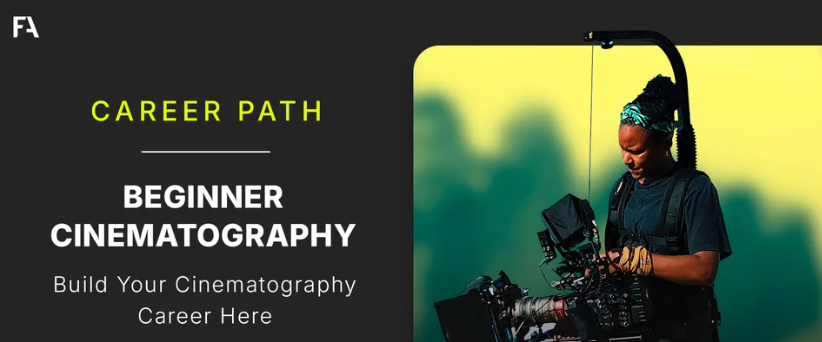
Shane Haributh – Beginner Cinematography Career Path 2.0
If you’ve ever dreamed of turning your passion for filmmaking into a real career behind the camera, this program offers a structured roadmap to get started. Shane Haributh – Beginner Cinematography Career Path 2.0 is designed specifically for aspiring cinematographers who want practical direction, technical clarity, and industry-level mindset training—without wasting years figuring things out alone.
This guide breaks down what the course teaches, who it’s for, what skills you’ll build, and why it stands out in a crowded filmmaking education space.
Introduction to the Course
Cinematography is more than just operating a camera. It’s about storytelling through light, composition, movement, and emotion. Many beginners struggle because they jump into buying gear or copying YouTube tutorials without understanding the professional path.
This program bridges that gap by teaching:
The real career ladder in cinematography
How to build a professional portfolio
Lighting fundamentals for cinematic visuals
Industry workflow and set etiquette
Business strategies to get paid work
Instead of random lessons, it provides a clear roadmap from beginner to working professional.
Who Is This Course For?
This training is ideal for:
Beginners with no formal film school education
Self-taught creators wanting structured guidance
YouTubers who want more cinematic quality
Freelancers transitioning into filmmaking
Aspiring Directors of Photography
Whether you shoot with a DSLR, mirrorless camera, or even high-end cinema cameras, the principles taught apply universally.
Core Learning Structure
1. Understanding the Cinematography Career Path
One of the biggest mistakes beginners make is not understanding how the film industry hierarchy works. The course explains:
Production Assistant (PA) role
Camera Trainee
2nd Assistant Camera
1st Assistant Camera
Camera Operator
Director of Photography
You’ll learn what each role does and how to move upward strategically instead of randomly networking.
2. Lighting Mastery for Beginners
Lighting is the backbone of cinematic visuals. The program breaks lighting down into simple frameworks:
Key light, fill light, and backlight
Hard vs soft lighting
Motivated lighting techniques
Low-budget lighting setups
Using natural light creatively
You’ll understand how to shape faces, create mood, and control contrast like a professional cinematographer.
3. Camera Fundamentals Without Overwhelm
Instead of drowning you in technical jargon, it explains:
Aperture and depth of field
ISO and noise control
Shutter speed and motion
Frame rates and cinematic feel
Lens selection and storytelling
By the end, you’ll know not just what settings to use—but why.
4. Composition and Visual Storytelling
Great cinematography is invisible when done right. The course covers:
Rule of thirds
Leading lines
Framing for emotion
Blocking and movement
Shot design principles
You’ll learn how to make every frame intentional instead of accidental.
5. Building a Professional Portfolio
Talent alone isn’t enough. You need proof of skill.
The training walks through:
Creating spec projects
Shooting short cinematic scenes
Structuring a showreel
Selecting your best shots
Uploading to the right platforms
A strong portfolio increases your chances of landing paid gigs significantly.
6. Industry Networking and Set Etiquette
Many filmmakers fail not because of skill, but because of behavior on set.
You’ll learn:
Professional communication
Set hierarchy and respect
Problem-solving under pressure
Building relationships with directors
Long-term industry positioning
Understanding how to behave professionally makes you memorable for the right reasons.
7. Business and Freelancing Strategies
Cinematography is both art and business.
The program includes:
Pricing your services
Negotiation strategies
Contracts basics
Client management
Scaling from small gigs to bigger productions
This ensures you don’t just become skilled—you become sustainable.
Key Benefits
Clear Direction
Instead of guessing your next step, you follow a proven structure.
Practical Application
Lessons are built around real-world implementation, not theory.
Beginner-Friendly Language
No confusing film-school terminology without explanation.
Career-Oriented Focus
It teaches you how to earn from cinematography, not just admire it.
What Makes It Different?
Most online filmmaking courses focus heavily on gear reviews or trendy editing tricks. This one focuses on:
Career strategy
Professional growth
Real industry pathways
Long-term positioning
It’s structured as a roadmap, not just scattered lessons.
Skills You Will Develop
By completing this training, you can expect to:
Understand professional lighting setups
Confidently operate cinema cameras
Design cinematic shots
Work effectively on production sets
Pitch yourself to clients
Build a competitive portfolio
These are foundational skills that apply across films, commercials, music videos, YouTube productions, and corporate work.
Practical Implementation Plan
Here’s how you can maximize results:
Watch one module at a time
Practice immediately after each lesson
Shoot weekly mini-projects
Build your showreel gradually
Network with local filmmakers
Offer small projects to gain testimonials
Consistency matters more than speed.
Equipment Recommendations (Beginner Level)
While expensive gear is not mandatory, beginners typically benefit from:
A mirrorless or DSLR camera
A fast prime lens (50mm or 35mm)
Basic LED light kit
Tripod
External microphone
The course emphasizes skill over equipment, which is crucial for beginners with limited budgets.
Common Beginner Mistakes the Course Helps You Avoid
Overexposing shots
Ignoring lighting direction
Using auto settings blindly
Poor framing
Not understanding color temperature
Underpricing services
Networking only online without real-world exposure
Avoiding these mistakes can fast-track your growth.
Real-World Application Scenarios
After learning the fundamentals, you can apply them to:
Short films
Wedding videography
Corporate shoots
Social media content
Documentary projects
YouTube channels
The foundational principles remain the same across industries.
Long-Term Career Growth
Cinematography offers multiple growth paths:
Freelance Director of Photography
Commercial cinematographer
Music video specialist
Documentary filmmaker
Film industry professional
With structured guidance, your journey becomes clearer and less overwhelming.
Why Structured Learning Matters
Self-learning through random YouTube videos can cause:
Information overload
Skill gaps
Inconsistent progress
Lack of career direction
A structured roadmap organizes knowledge logically, which accelerates mastery.
Final Thoughts
Breaking into cinematography can feel intimidating. However, with the right framework and step-by-step strategy, it becomes achievable. Shane Haributh – Beginner Cinematography Career Path 2.0 provides a practical blueprint for aspiring filmmakers who want clarity, direction, and real-world skills.
Instead of guessing your way into the industry, you gain structured learning, professional insight, and actionable steps to build a long-term career behind the camera.
If your goal is to turn creativity into a profession and build a sustainable path in cinematography, this training delivers the foundational roadmap needed to get started confidently.



Reviews
There are no reviews yet.