
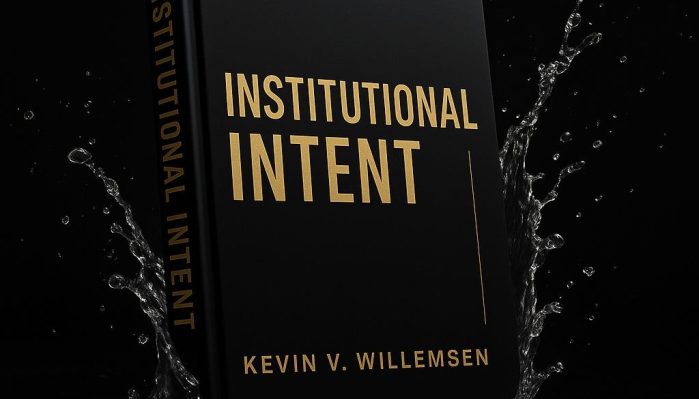
The Forex Scalpers – Institutional Intent (Complete Guide)
Introduction to Institutional Intent in Forex
In the fast-paced world of Forex trading, most retail traders struggle not because of lack of effort, but because they follow the wrong signals. The concept of The Forex Scalpers – Institutional Intent focuses on understanding how large financial institutions operate and how their actions shape the market.
Institutional traders—banks, hedge funds, and large financial entities—control the majority of liquidity in the Forex market. Their strategies are not based on simple indicators but on liquidity, order flow, and market manipulation. If you align your trading with their intent, your probability of success increases significantly.
This guide will help you deeply understand institutional behavior, scalping techniques, and how to apply them practically.
What is Institutional Intent?
Institutional Intent refers to the underlying motive behind large market movements. Instead of reacting to price, institutions create price movement to fulfill their orders.
Key Characteristics:
They seek liquidity zones
They create fake breakouts
They manipulate retail traders
They enter trades in high-probability areas
Retail traders often enter late, while institutions enter early and exit when retail traders jump in.
Why Most Retail Traders Fail
Before understanding institutional intent, you must understand why retail traders lose.
Common Mistakes:
Trading based on indicators only
Entering breakouts without confirmation
Ignoring liquidity zones
Emotional trading
Lack of patience
Institutions exploit these mistakes. For example, when retail traders see a breakout, institutions may already be exiting their positions.
Understanding Liquidity in Forex
Liquidity is the backbone of institutional trading. Without liquidity, institutions cannot execute large orders.
Types of Liquidity:
Buy-side Liquidity – Above highs
Sell-side Liquidity – Below lows
Institutions target these areas to:
Trigger stop losses
Fill large orders
Create momentum
Example:
If price is approaching a previous high, institutions may push price slightly above it to trigger buy orders, then reverse the market.
Market Structure and Institutional Moves
To trade like institutions, you must understand market structure.
Basic Structure:
Higher High (HH)
Higher Low (HL)
Lower High (LH)
Lower Low (LL)
Institutional Perspective:
Institutions focus on:
Break of structure (BOS)
Change of character (CHOCH)
These signals indicate shifts in market direction.
Order Blocks Explained
Order blocks are areas where institutions place large orders.
Types:
Bullish Order Block
Bearish Order Block
How to Identify:
Look for strong moves
Find the last opposite candle before the move
Mark that zone
These areas often act as support/resistance.
The Role of Stop Hunts
Stop hunts are intentional moves by institutions to trigger retail stop losses.
Why Stop Hunts Happen:
To collect liquidity
To enter large positions
To manipulate market direction
How to Avoid:
Don’t place obvious stop losses
Wait for confirmation
Understand liquidity zones
Scalping with Institutional Intent
Scalping involves taking small profits from quick trades. When combined with institutional intent, it becomes highly effective.
Key Principles:
Trade during high liquidity sessions (London, New York)
Focus on 1-minute to 5-minute charts
Use precise entries
Entry Strategy:
Identify liquidity sweep
Confirm market structure shift
Enter at order block
Target small profits (5–15 pips)
Best Time for Forex Scalping
Timing is critical for scalpers.
Ideal Sessions:
London Session
New York Session
London-New York overlap
Avoid:
Low volatility periods
News releases (unless experienced)
Risk Management for Scalpers
Even the best strategy fails without proper risk management.
Rules to Follow:
Risk only 1–2% per trade
Use tight stop losses
Maintain risk-reward ratio (1:2 or better)
Avoid overtrading
Consistency matters more than big wins.
Psychology Behind Institutional Trading
Institutions trade without emotion. Retail traders often fail due to psychological mistakes.
Key Psychological Traits:
Patience
Discipline
Confidence in strategy
No emotional attachment
Tips:
Stick to your plan
Avoid revenge trading
Accept losses as part of the game
Tools Used in Institutional Trading
While institutions use advanced tools, you can replicate their logic using simple methods.
Useful Tools:
Price action
Support & resistance
Liquidity zones
Market structure
Avoid overcomplicating your charts.
Common Scalping Mistakes
Even experienced traders make mistakes.
Avoid These:
Entering too early
Ignoring confirmation
Overleveraging
Trading during low volume
Learning from mistakes is key to improvement.
Step-by-Step Scalping Strategy
Here is a simple institutional-based scalping approach:
Step 1: Identify Trend
Check higher timeframe (15m or 1h)
Step 2: Mark Liquidity
Identify highs and lows
Step 3: Wait for Liquidity Sweep
Price takes out highs/lows
Step 4: Confirm Structure Shift
Look for change in direction
Step 5: Enter Trade
Enter at order block
Step 6: Exit with Profit
Target small consistent gains
Advantages of Trading with Institutional Intent
Higher accuracy
Better entry points
Reduced risk
Consistent profits
Clear market understanding
This approach shifts your mindset from guessing to strategic trading.
Final Thoughts
Mastering The Forex Scalpers – Institutional Intent is not about learning more indicators—it’s about understanding how the market truly works.
When you start thinking like institutions, you stop chasing the market and start anticipating it. This shift alone can transform your trading journey.
Consistency, discipline, and patience are the pillars of success in Forex scalping. Focus on process over profits, and results will follow.





Reviews
There are no reviews yet.